

News
Public Inquiries
July 29, 2025
Covid-19 Public Inquiry to hear evidence from migrant workers at the frontline of social care during the pandemic
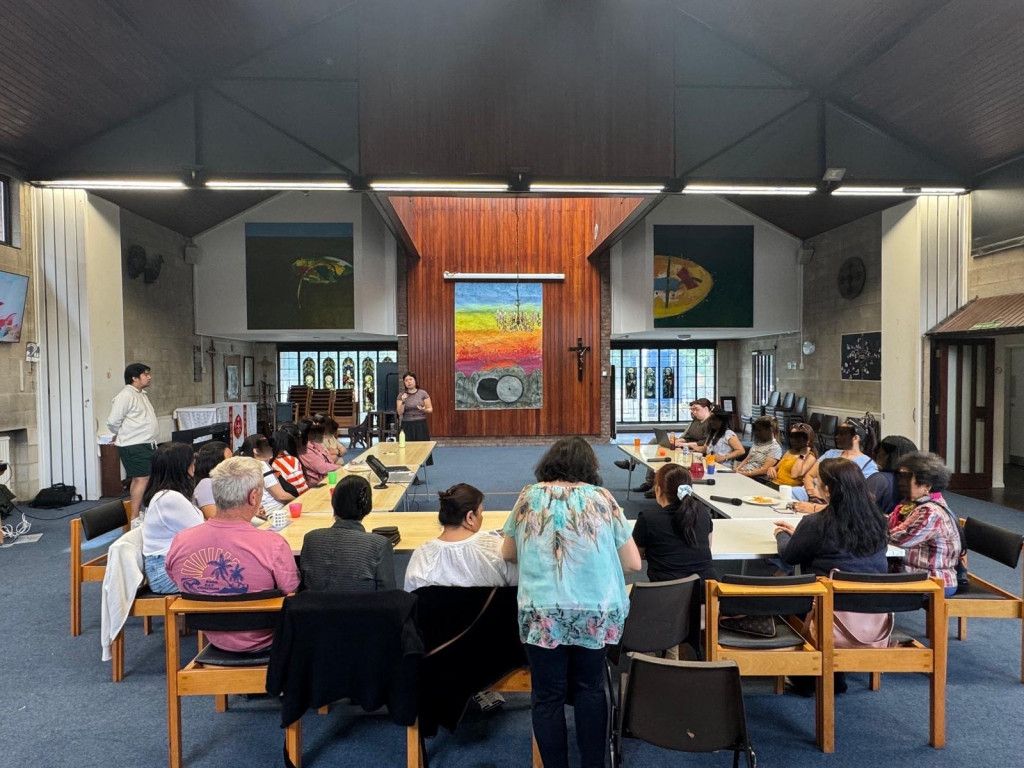
On Tuesday 29 July, Frontline Migrant Health Workers’ Group (FMHWG), representing migrant and low-paid social care workers, will provide oral evidence at the Module 6 of the Covid-19 Inquiry focused on social care.
Francesca Humi (from Kanlungan Filipino Consortium) will give evidence on behalf of FMHWG combining United Voices of the World (UVW) & the Independent Workers’ Union of Great Britain (IWGB) trade unions, and Kanlungan, a charity supporting and representing Filipino and East and Southeast Asian migrant workers in the UK. FMHWG is represented by the Public Interest Law Centre (PILC). Together, we are raising the voices of precariously employed workers across the social care sector, working in care homes, agencies, and private households, and the disproportionate impact the pandemic had on them.
The evidence will lay bare how the combination of repressive immigration policies and a privatised, profit-driven care sector produced unsafe, exploitative conditions for workers and worsening health outcomes for those they care for.
Care workers lacked PPE, Covid-19 testing and access to healthcare — with some migrant domestic workers earning as little as £2/hour while living in employers' homes. Domestic workers, employed by wealthy households, form a largely invisible and neglected part of the adult social care sector. Frontline workers have described working in an “underground economy” and an “invisible world”. Unsurprisingly, we see a high prevalence of long-lasting mental ill-health, such as PTSD.
Elena worked as a live-in carer in a private household for £12 an hour with no pay for holidays or sick leave. She has asthma and a heart condition. When she was hospitalised with Covid-19, she was not paid anything. The reality of “no work, no pay”, was faced by many like her.
Immigration policy and visa restrictions prevented migrant workers from accessing medical care, including Covid-19 vaccines, because of fear of being reported to the Home Office and removed from the UK.
Government documents reveal refusal to reform Statutory Sick Pay during Covid-19 to avoid admitting the system was inadequate — despite workers being at risk.
As the current government attacks and marginalises migrant care workers through its recent White Paper on Immigration, FMHWG is shining a light on the huge contribution and sacrifice they made during the pandemic.
Joseph Latimer, solicitor at PILC for FMHWG, said:
“Our clients worked across the fragmented landscape of social care, in care homes and people’s own houses. The hardships they faced are shocking. This Inquiry is a vital opportunity to honour their sacrifice, learn why and how the system created such terrible conditions, and reform it for the better. The UK has used its immigration system to undermine the bargaining power of key workers, at the expense of public health. But an exploited worker only exists because someone else profits. We need to urgently level the playing field between our key workers and their employers, or else we repeat the horror story again.”
Bella Ruiz, care worker and UVW member, said:
“I am a care worker. During the pandemic, neither the government nor my employer looked after me as well as my union did. Thank you for the applause but what I deserve is a living wage.”
Amanda Weston KC said:
“The Inquiry has repeatedly shown us that the safety and well-being of our most vulnerable citizens relied on the skill, commitment and goodwill of migrant carers many of whom paid the ultimate price. It is essential that these voices are heard. They shine a bright light on our dysfunctional adult social care sector, the risks to us all from profiteering providers, and make a compelling case for properly funded, accountable care and joined-up thinking to reduce the pressure on the NHS.”
We will not rest until we see a fairer and more equitable society.
Make a donation today to support our work:
More ways to give


244-254 Cambridge Heath Road London E2 9DA
Phone: 0203 559 6342
Contact us
© Public Interest Law Centre
Charitable Incorporated Organisation in England & Wales - no: 1192355
Registered office: 244-254 Cambridge Heath Road, London, E2 9DA