

News
Palestine Solidarity
May 1, 2026
Met Police Decline to Investigate UK Nationals Over Gaza War Crimes Claims
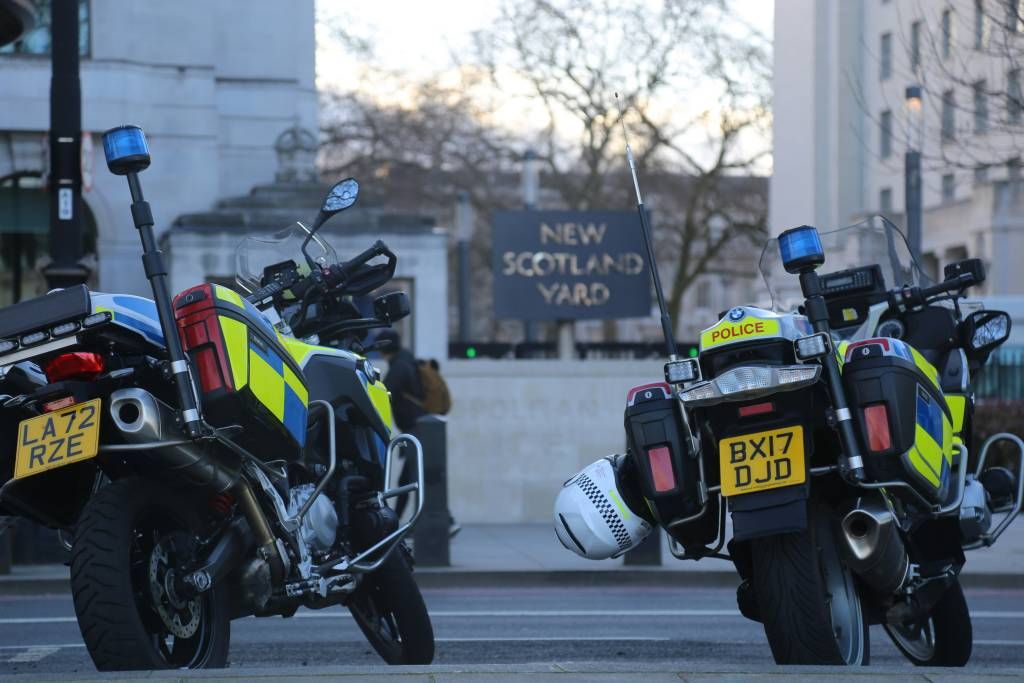
The Public Interest Law Centre (PILC) and the Palestinian Centre for Human Rights (PCHR) have expressed serious concern following a decision by the Metropolitan Police on the 27th April 2026 to close its preliminary “scoping exercise” into allegations that British nationals were involved in war crimes and crimes against humanity while serving with Israeli forces in Gaza.
On the 7th Aril 2025 PILC and PCHR, , jointly submitted and set out allegations against ten British nationals. These 500+ page dossier included claims of targeted killings of civilians and aid workers, indiscriminate attacks on civilian areas, assaults on hospitals and other protected sites, and the forced transfer and displacement of civilians. The complaint was supported by a substantial evidential dossier and received widespread media coverage at the time, including by major outlets.
In a decision letter dated 27 April 2026, the Met Police acknowledged that international bodies consider actions in Gaza “could amount to war crimes.” It also confirmed that at least four individuals had been initially identified as being of “particular interest” during enquiries. Despite this, the Met’s War Crimes Team declined to proceed beyond the scoping stage, citing a lack of a realistic prospect of conviction and difficulties in conducting an effective investigation.
PILC has strongly rejected this reasoning. Paul Heron (solicitor at PILC) is of the view that the police have applied the wrong legal threshold at the wrong stage of the process.
“We reject the Metropolitan Police’s conclusions. In our view, the wrong legal test has been applied by insisting at this early stage that there be sufficient evidence to charge. This was not a charging decision for prosecutors at the end of an investigation; it was a decision about whether serious allegations of core international crimes should be investigated at all.
“The Police appear to have demanded, at the pre-investigation stage, evidence capable of establishing a realistic prospect of conviction. That is the wrong approach and sets the hurdle very high for any investigation. The very purpose of an investigation is to obtain and test evidence, including evidence not available to victims, lawyers or civil society organisations.”
Paul further emphasised the UK’s legal obligations under international law:
“The UK has clear obligations to investigate and, where appropriate, prosecute war crimes and crimes against humanity. British nationals and residents cannot be allowed to participate in atrocities abroad with impunity.”
He confirmed that PILC is now carefully considering its next steps, including the possibility of bringing legal proceedings against the Metropolitan Police.
Raji Sourani, Director of PCHR, and our partner in the submission echoed these concerns, highlighting the broader implications for victims and accountability:
“This decision is deeply disappointing to victims in Gaza who continue to face unimaginable harm without accountability. The refusal to investigate credible allegations against British nationals risks entrenching a culture of impunity.
“International law imposes clear duties on states to investigate and prosecute those responsible for war crimes, regardless of where they are committed. These obligations are not optional.”
He stressed that PCHR, alongside its partners, remains committed to pursuing justice:
“We will continue to pursue justice through all available legal avenues, alongside our partners, until there is meaningful accountability for the victims.”
Both organisations have made clear that, despite the setback, they are not deterred. PILC maintains that the referral contained credible and substantial material warranting a full criminal investigation. The Met’s refusal, we argue, risks creating a significant accountability gap for alleged international crimes committed by British nationals or residents overseas.
PILC and PCHR are now exploring all available legal options as they seek to challenge the decision and push for accountability under international law.
We will not rest until we see a fairer and more equitable society.
Make a donation today to support our work:
More ways to give


244-254 Cambridge Heath Road London E2 9DA
Phone: 0203 559 6342
Contact us
© Public Interest Law Centre
Charitable Incorporated Organisation in England & Wales - no: 1192355
Registered office: 244-254 Cambridge Heath Road, London, E2 9DA